
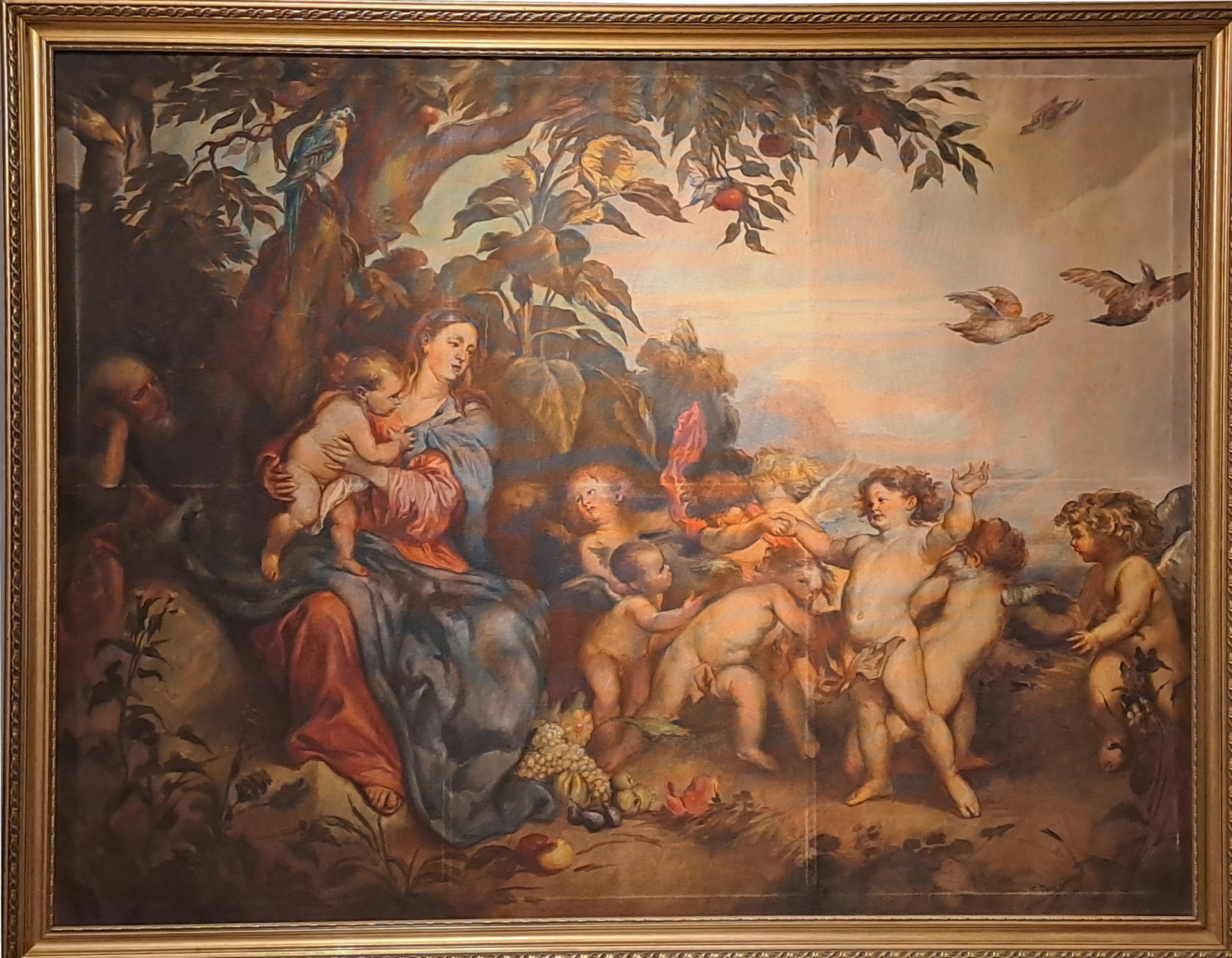
"REST DURING THE FLIGHT INTO EGYPT" - GRASS JUICE - 1961


Please sign in so that we can notify you about a reply
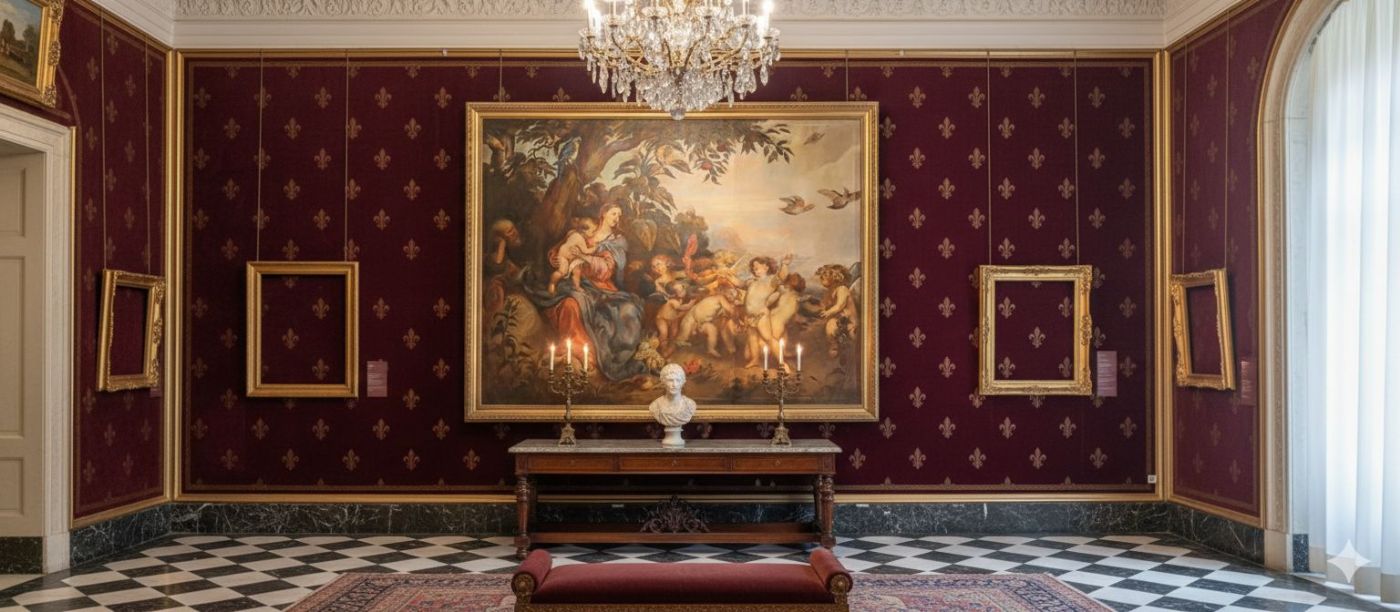
Descriptive Sheet of the Artwork: Rest during the Flight into Egypt
Subject: Rest during the Flight into Egypt (Holy Family with Angels/Putti).
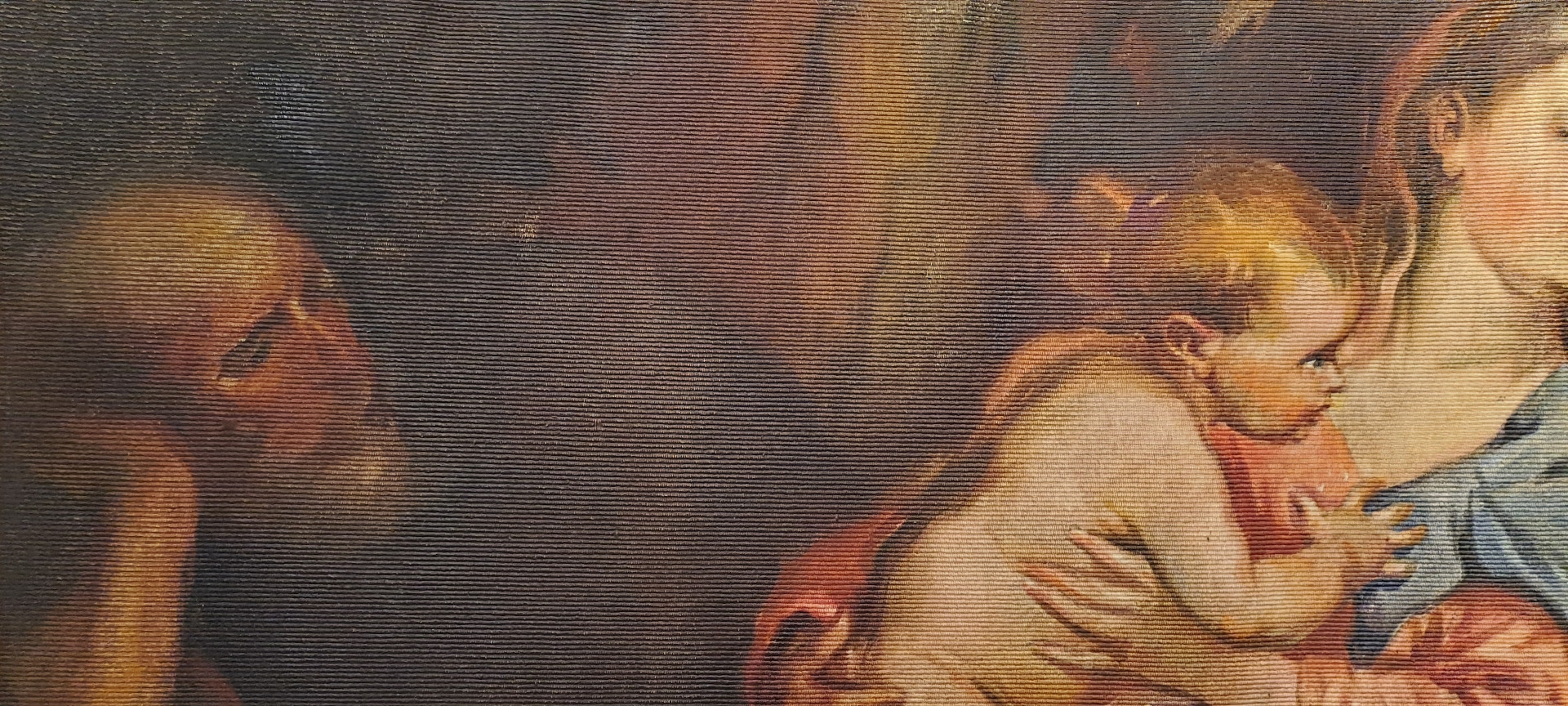
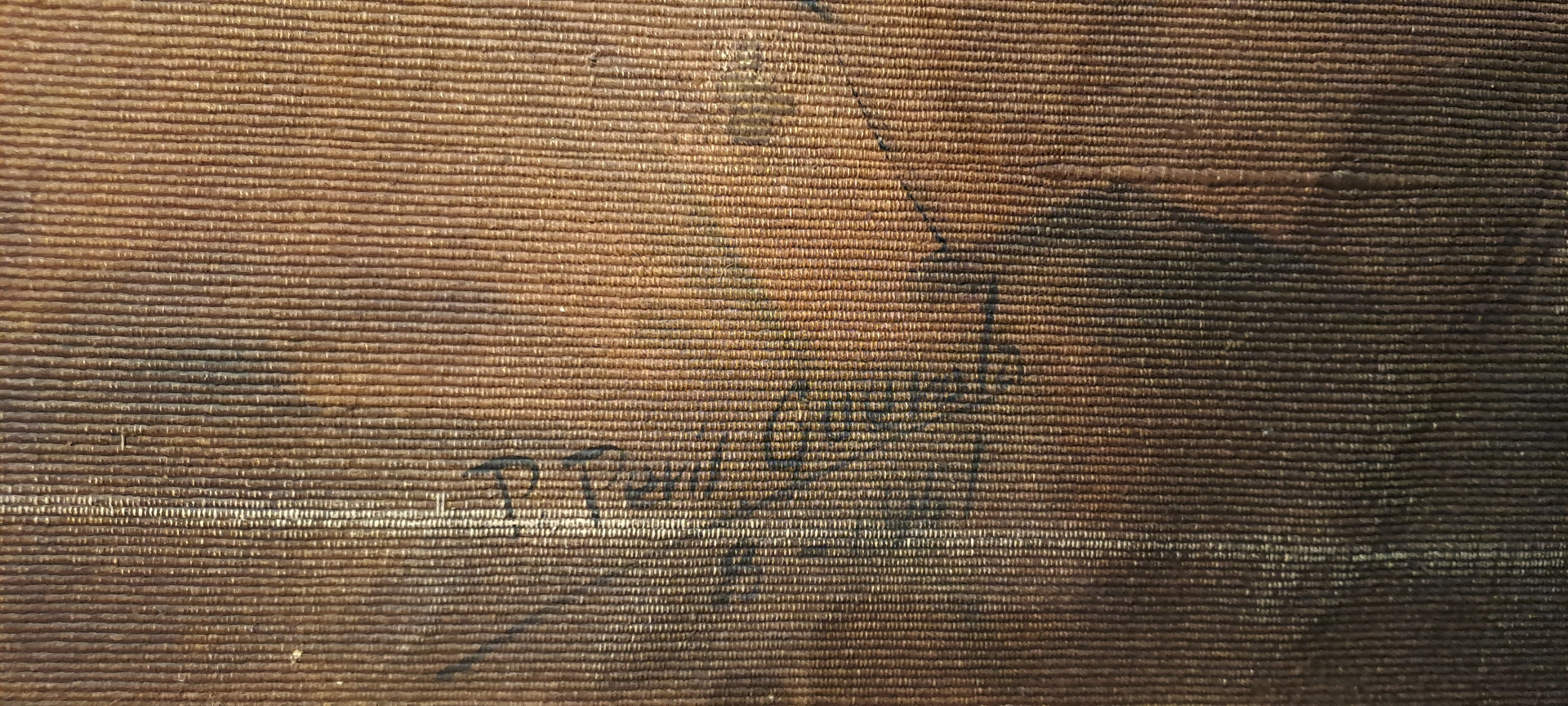
Technique: Oil on Canvas (or fabric with visible weave, as per detail).
Period: 20th century.
Stylistic and Iconographic Analysis
1. Iconography and Composition
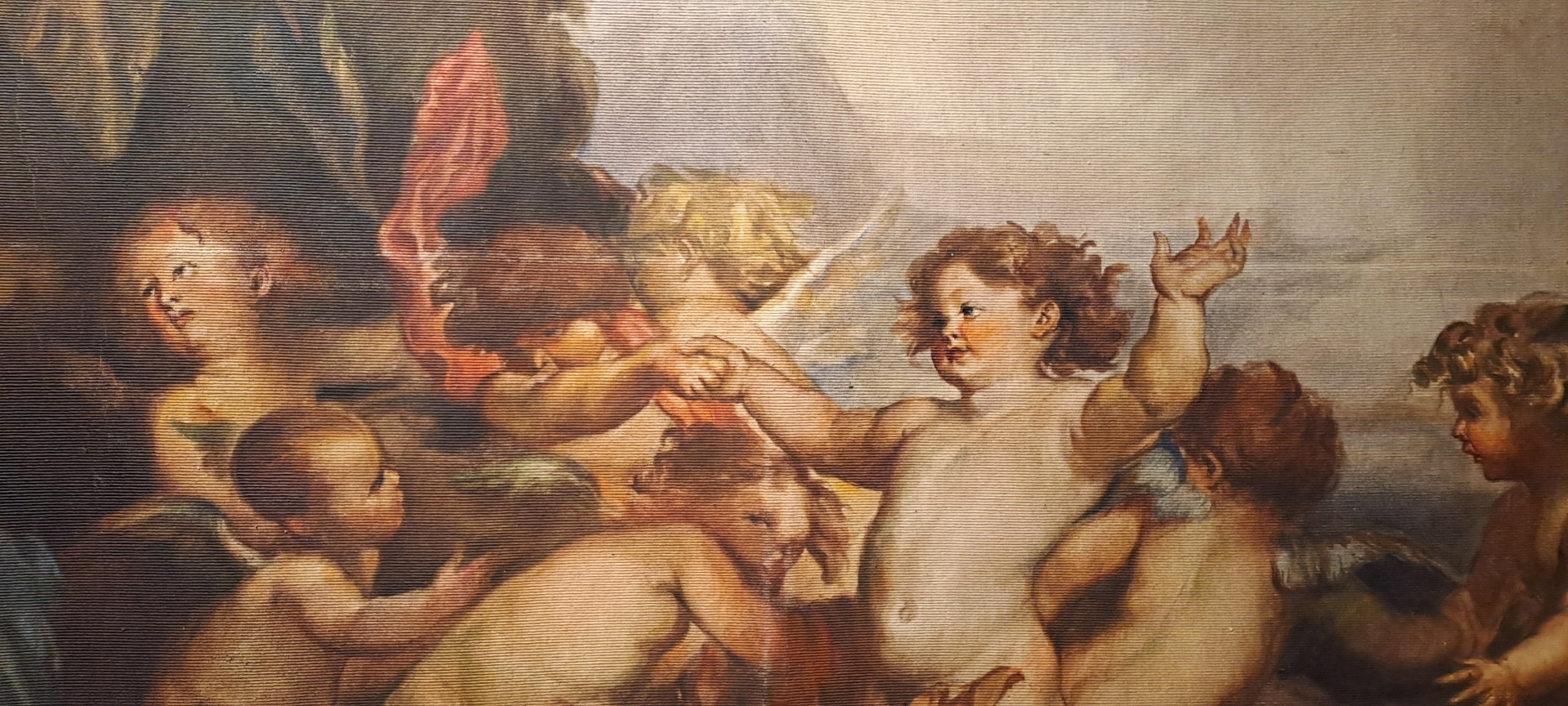
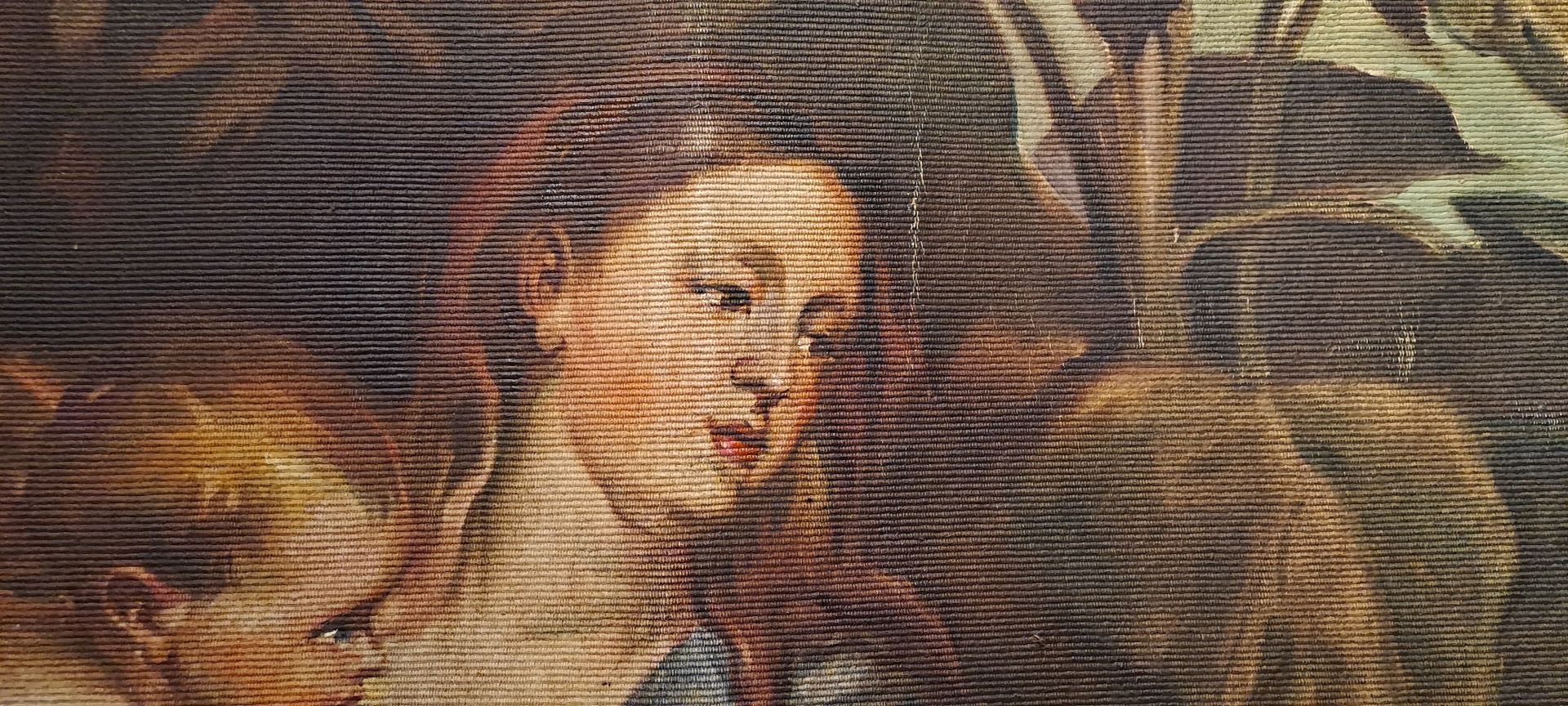
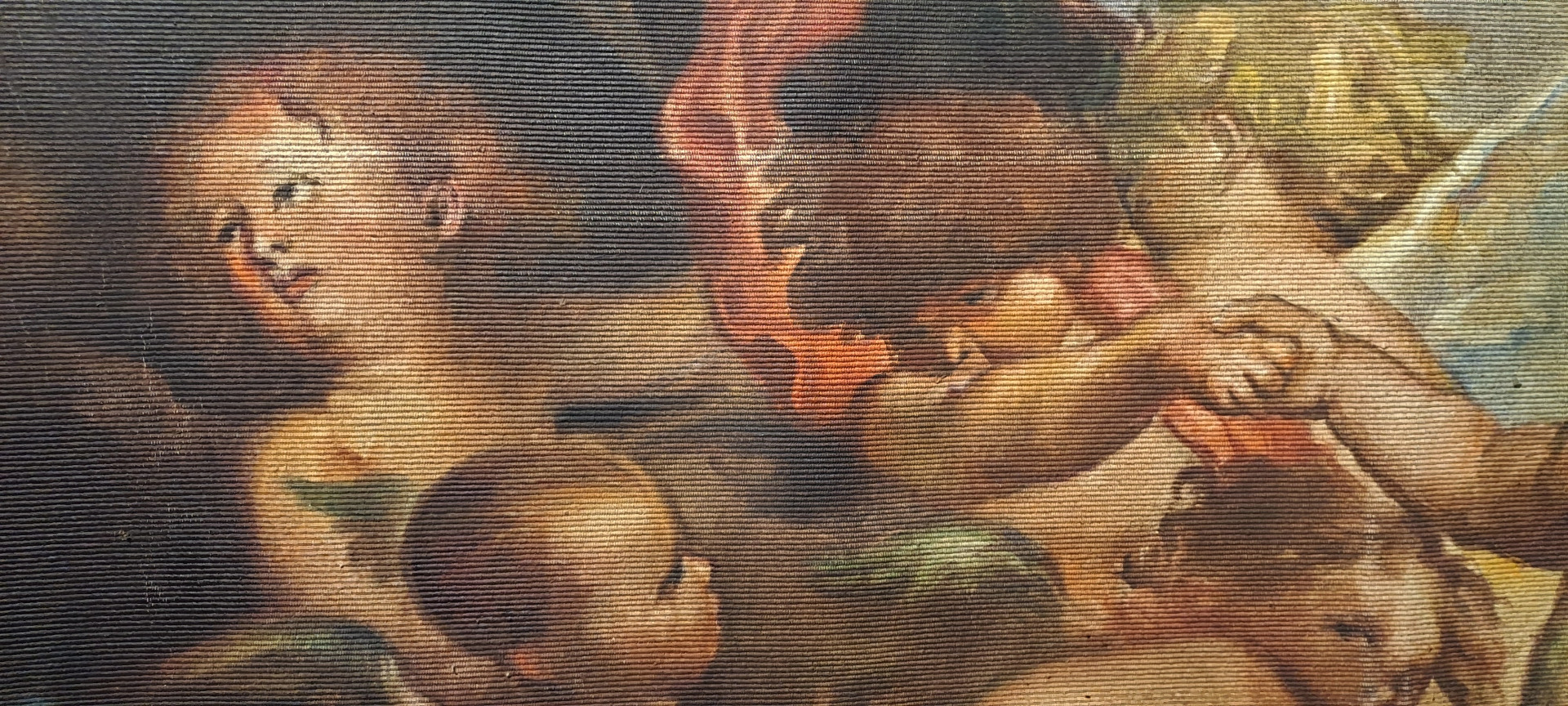
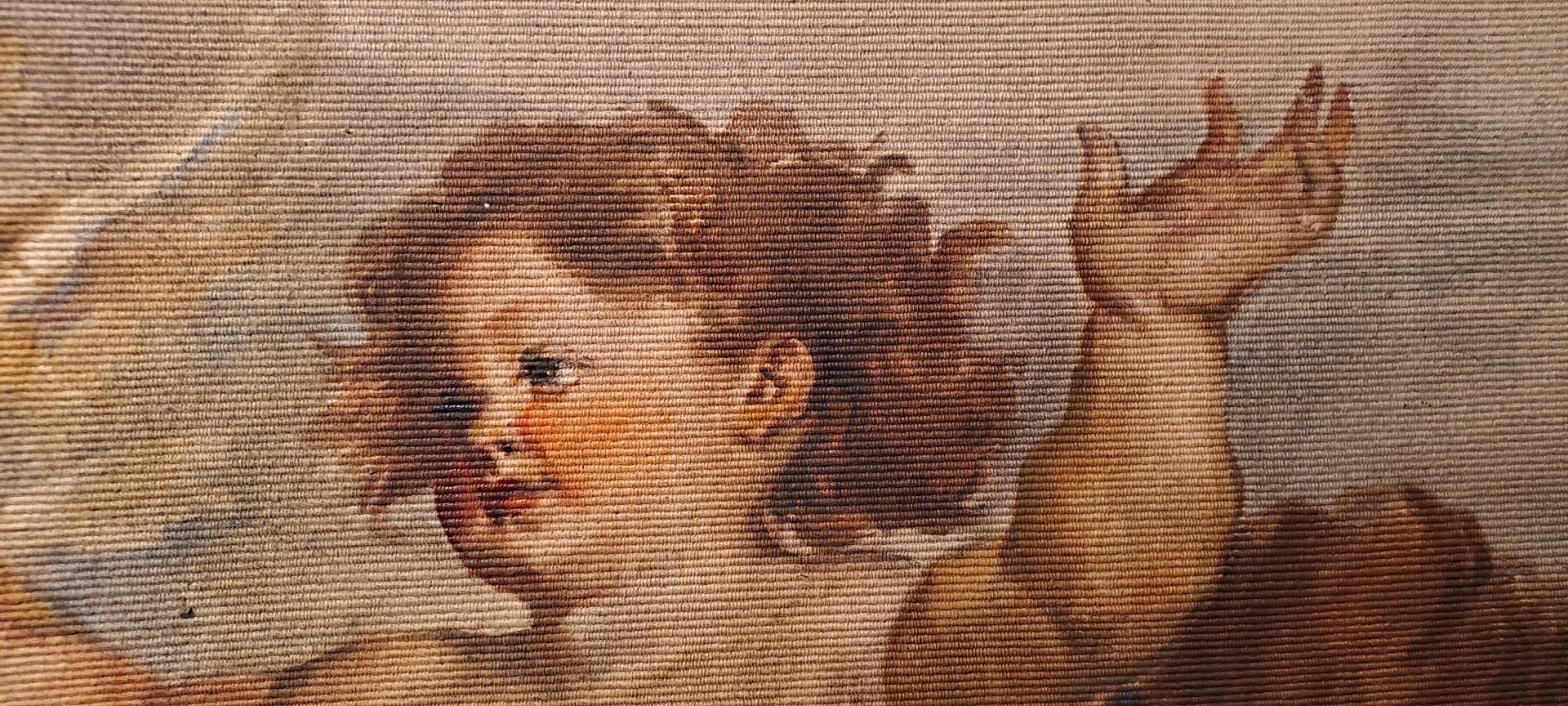
Baroque Dramatism: The scene is a vibrant example of the Baroque style, characterized by a dynamic and crowded composition. In the center is the Holy Family, surrounded by numerous playful putti (cherubs) who interact with the Virgin and Child, a typical element of early 17th-century Flemish compositions.
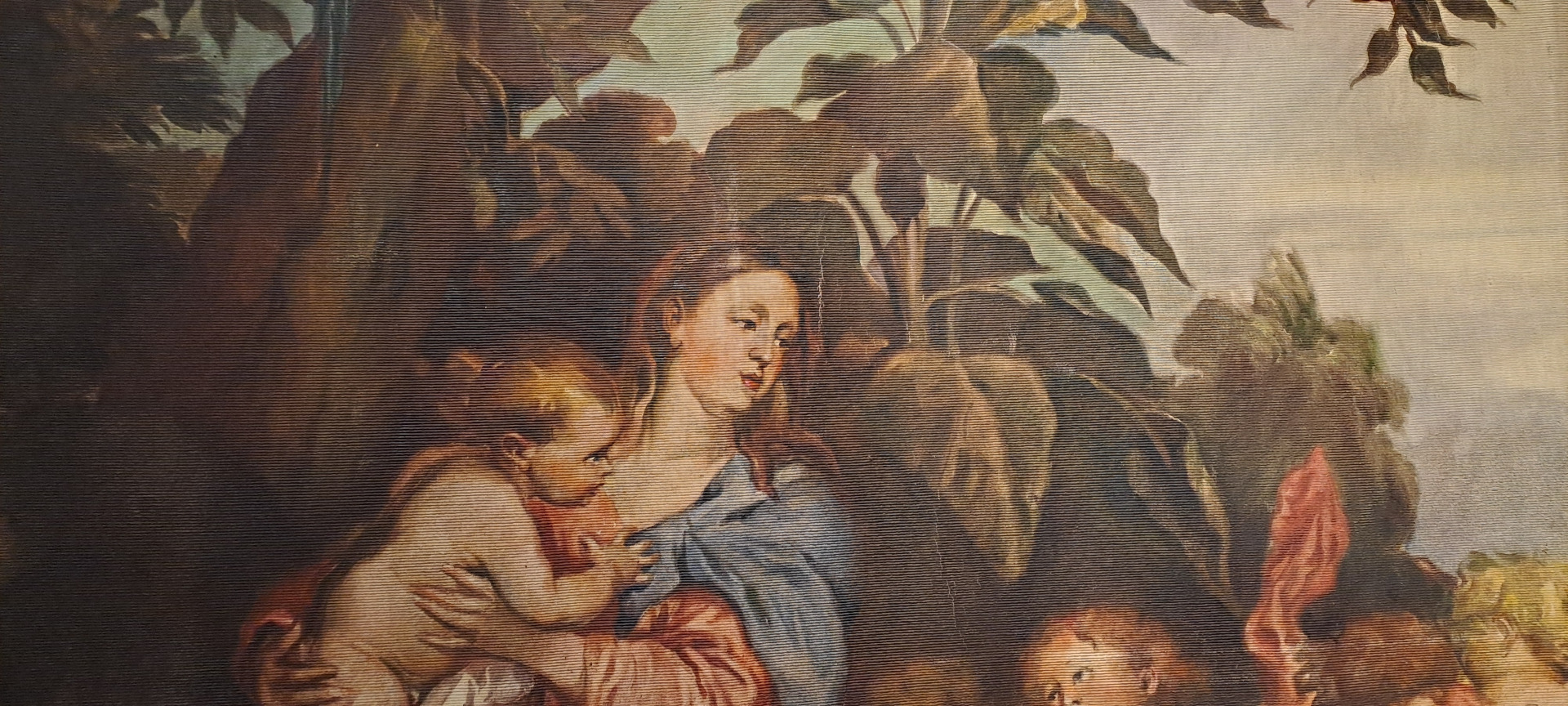
Key Figures: The Virgin Mary is depicted with maternal sweetness, in contrast to Saint Joseph, who is older and more thoughtful, visible in the shadows, an iconographic reference to his role as guardian and protector.
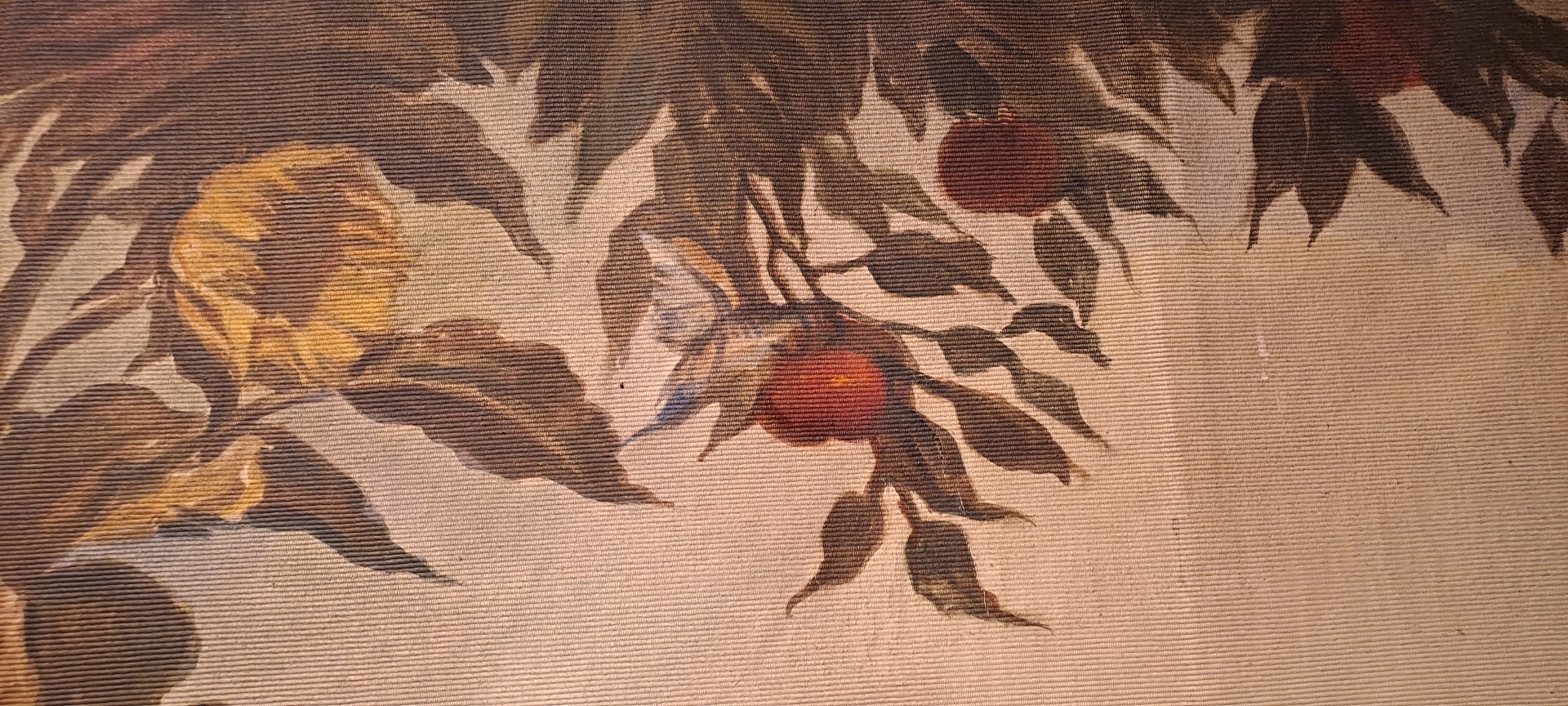
Landscape: The rest takes place in a lush and shady natural environment, with thick foliage and branches, typical of Flemish pictorial taste. Some details show red fruits, which may have a symbolic meaning.
2. Technique and Color (Rubensism)
Pictorial Corporeality: The work features a rich and full use of color, with brushstrokes that appear vigorous, especially in the anatomical details of the putti.
Light and Chiaroscuro: Light plays a fundamental role, illuminating the central figures and creating a strong contrast with the dark and deep background.
Color Scheme: The palette is dominated by warm colors (reds, oranges, browns) and rich draperies, particularly the red and blue of the Virgin, which give intensity and emotional depth to the scene.
.
Description of the Setting and Conditions
Dimensions: Large format, making it a work with a strong visual impact.
Condition: The work, as a whole, appears well-preserved and framed in a golden frame.
Dimensions: 182 x 142 cm including the frame, 168 x 128 cm the canvas alone
Period: dated 1961
Signature: Signed in the lower right but not decipherable
The "grass juice" technique is a form of painting on fabric (often silk) that was especially popular in the 18th century, created as a more economical alternative to tapestry. Natural plant pigments (such as woad, walnut stain, saffron, or cabbage juice) diluted with fixatives such as alum and lemon juice are used, which give a pictorial result similar to watercolor. The color is applied several times to allow it to be completely absorbed by the fabric.